The problem is compulsory performance
What people dread is not spending time with their team. It is being made to perform in front of them: the icebreaker where everyone shares something personal, the exercise where one person has to lead and everyone watches.
That format asks the most of exactly the people who find it hardest, and it asks it in public. The quiet, competent person who is excellent at their job has a bad afternoon, and the lesson they take away is to avoid the next one.
Build it around something that is genuinely absorbing
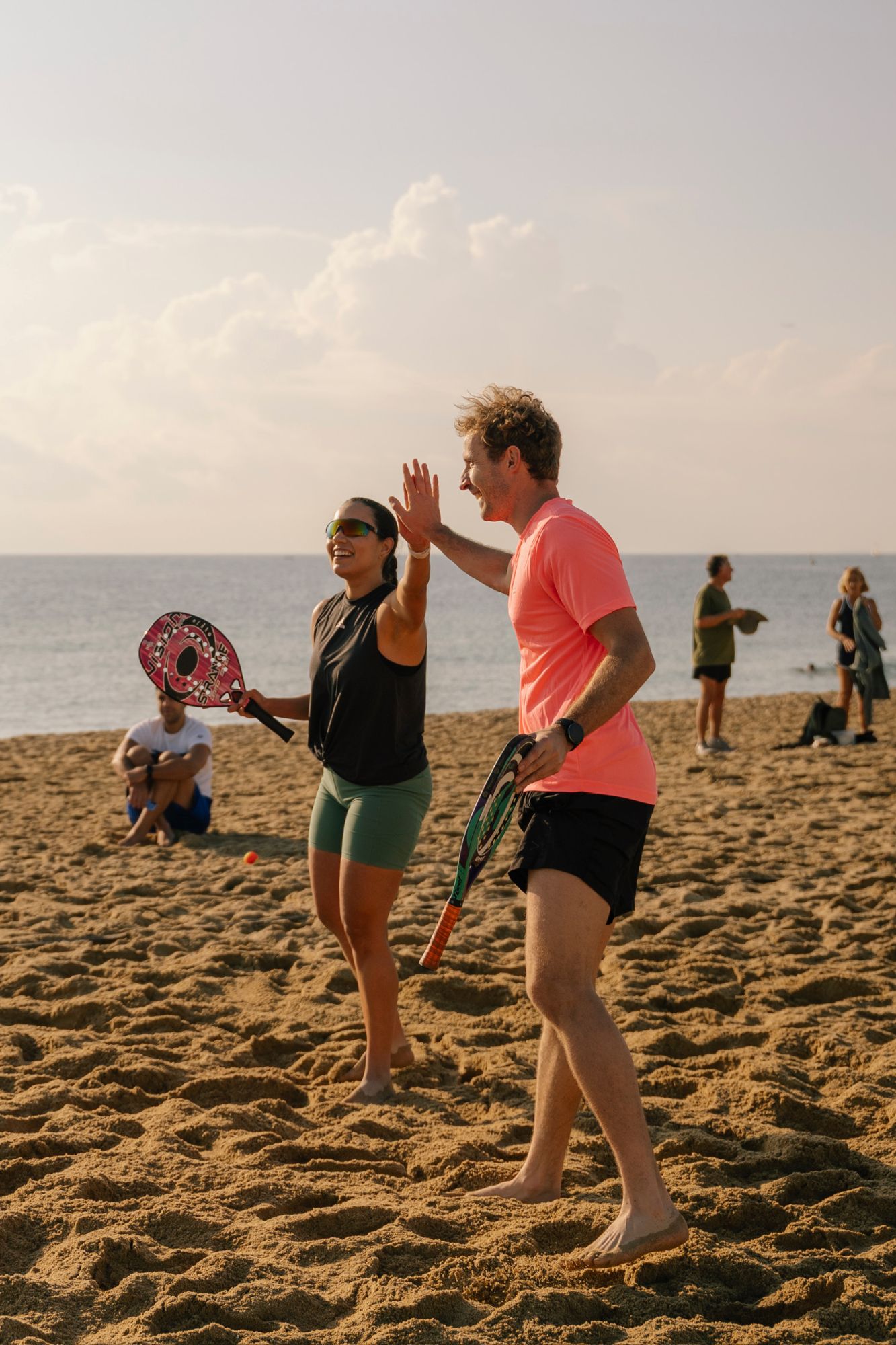
The activities that work are the ones where the task is interesting enough that people forget they are team building. Cooking something together, a sailing afternoon, a proper competition with real stakes, building something that has to actually function.
The shared experience does the work. Nobody needs to be told to bond when they are jointly responsible for a paella that is going badly.
The test is simple. Would a group of friends choose to do this on a Saturday? If not, you are relying on obligation to make it happen.
Make opting out invisible
Someone will not want to do the physical activity, will not drink, or will need to take a call. The design should let them step out without it being a moment.
That usually means having a second thing happening nearby rather than a single activity everyone faces. A group where two people are watching and talking rather than participating is a working group. A group where two people are conspicuously sitting alone is not.
Mix the groups on purpose
Left alone, people will form teams with the colleagues they already know, and the afternoon will reinforce exactly the silos it was meant to break down.
Assign the groups, and assign them deliberately across functions and seniority. Nobody minds being told which team they are on. Everybody minds being made to pick in a room.
End at a table
Whatever the activity, finish with everyone sitting down and eating together. This is where the day actually pays off.
The activity gives people something in common to talk about, which is the hard part of a meal with people you do not know well. The meal gives them the time to use it. Doing the activity and then sending everyone home skips the part that produces the result.
The good version of team building does not announce itself. People come away saying they had a genuinely good afternoon, and the working relationships are better the following week. Nobody has to call it team building for it to have worked.